
Salesforce Admin & Developer Support
Salesforce Admin Support Services
Get reliable Salesforce admin and developer support to maintain, customize, troubleshoot, and improve your CRM. From user management and workflow automation to custom development and integrations, we help keep your Salesforce environment aligned with your business needs.

Your Salesforce Admin & Developer Support Partner
Cloud Analogy provides Salesforce administration, developer support, troubleshooting, and ongoing maintenance to help businesses manage and improve their Salesforce environment. From user management and workflow automation to custom development and integrations, our team supports your evolving CRM requirements.
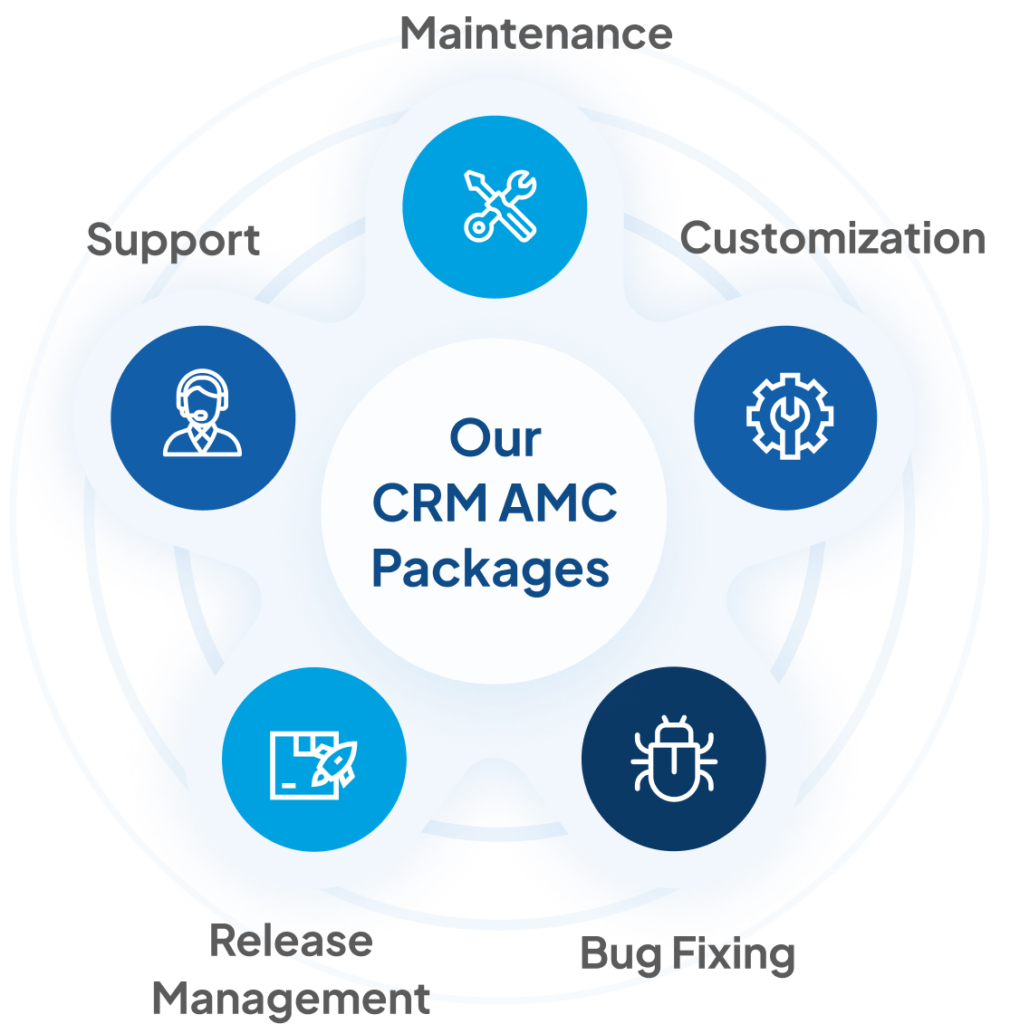
Salesforce Support & Maintenance AMC Packages
Our Salesforce AMC packages provide ongoing administration, troubleshooting, maintenance, and system enhancements based on your selected support scope. Discuss your Salesforce support requirements with our team to identify a suitable maintenance arrangement.

Our Salesforce Admin & Developer Support Offerings
 Salesforce Administration
 Salesforce Administration
Help manage Salesforce users, permissions, reports, dashboards, data quality, and routine CRM administration to keep day-to-day operations running smoothly.
 Custom Development Solutions
 Custom Development Solutions
Develop custom Salesforce functionality using Apex, Lightning Web Components (LWC), and integrations to support specific business requirements.
 System Configuration and Optimization
 System Configuration and Optimization
Configure Salesforce workflows, automation, user permissions, and system settings to align the platform with business processes and improve usability.
 Data Migration and Integration
 Data Migration and Integration
Support Salesforce data migration and integrations with other business systems to improve data consistency and connect workflows.
Ongoing Support & Troubleshooting
 Ongoing Support & Troubleshooting
Investigate Salesforce configuration issues, automation errors, integration problems, and other technical issues to help restore expected functionality.
Platform Upgrades and Enhancements
 Platform Upgrades and Enhancements
Review relevant Salesforce release updates, maintain existing functionality, and implement enhancements based on business needs and the agreed support scope.
Security and Compliance
 Security and Compliance
Implement strong security measures and monitoring systems to protect data & ensure compliance.
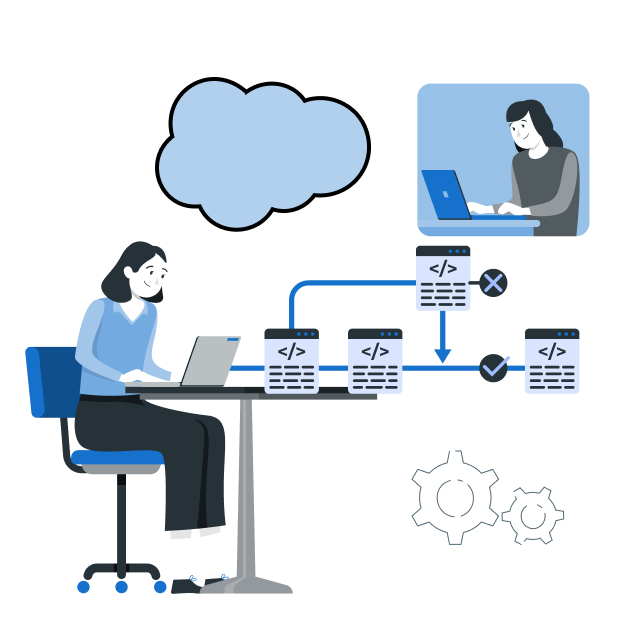
Our Approach To Ensure Your Business Achieve Maximum Success
With our deep knowledge & rich experience across the different Salesforce clouds, we ensure you get the most out of each cloud’s capabilities and add value to the business.
Our Salesforce Admin & Developer Support Process
Our support process begins with understanding your Salesforce environment and business requirements. We then configure or customize the platform, address data and integration needs, provide ongoing support, and identify opportunities for continuous improvement.

Step 1:
Discovery and Analysis

Step 2:
Configuration and Customization

Step 3:
Data Management and Integration
Step 4:
Ongoing Support and Maintenance
Step 5:
User Training and Adoption
Step 6:
Continuous Improvement and Innovation
Want to experience seamless integration & unparalleled efficiency?
“Time to unlock the full potential of Salesforce with our expert Salesforce admin and developer support services.”
0
+
Projects Delivered
0
+
Clients Served
0
*7
Support
0
+
On Time Delivery
0
+
Salesforce Certified Experts
What makes our Salesforce support services stand out?
Salesforce expertise
Get support for Salesforce administration, configuration, custom development, troubleshooting, and integrations based on your business requirements.
Results-driven approach
Prioritize practical improvements to CRM workflows, automation, data quality, and functionality based on your business goals.
Flexible support solutions
Align the support scope with your Salesforce environment, technical requirements, and ongoing maintenance needs.
Continuous improvement
Review relevant Salesforce updates and identify opportunities to maintain and enhance existing functionality.
Proactive Support
Identify recurring issues, investigate potential causes, and address maintenance needs before they create further disruption where possible.
Tailored Solutions
Adapt Salesforce configurations, automation, and custom functionality to your team's processes and operational requirements.
Customer-focused support
Align support priorities with business needs through clear communication, documented requirements, and agreed expectations.
Seamless Integration
Support connections between Salesforce and relevant business applications to help streamline data exchange and workflows. Copy all eight cards
Need Salesforce Admin & Developer Support?
Get help with Salesforce administration, custom development, troubleshooting, integrations, and ongoing maintenance to keep your CRM aligned with your business needs.

Frequently Asked Questions
Salesforce Admin Support Services help businesses manage, maintain, and improve their existing Salesforce environment. These services can include user and access management, profiles and permissions, reports and dashboards, data quality, workflow configuration, automation maintenance, troubleshooting, and routine CRM administration. The exact scope depends on the organization’s Salesforce setup and support requirements. Businesses can use ongoing admin support to maintain their CRM without assigning every administrative task to their internal team.
Salesforce Admin and Developer Support Services combine routine CRM administration with technical development and enhancements. Administration may cover user management, permissions, reports, dashboards, configuration, and automation maintenance. Developer support may include Apex, Lightning Web Components (LWC), custom functionality, API integrations, and code troubleshooting where required. A support engagement can cover both areas, with the final scope based on business priorities, technical complexity, and the agreed service arrangement.
Salesforce Admin Support focuses primarily on configuring and managing the CRM, including users, permissions, reports, dashboards, declarative automation, and routine maintenance. Salesforce Developer Support handles more technical requirements, such as Apex code, Lightning Web Components, custom applications, APIs, and complex integrations. Businesses often need both: administrators manage day-to-day operations, while developers address requirements that need custom code or deeper technical changes.
Salesforce Managed Services provide ongoing administration, troubleshooting, maintenance, and improvements under an agreed support arrangement. Project-based consulting focuses on a defined initiative, such as a new implementation, migration, or major customization, with a specific scope and delivery plan. Businesses may choose ongoing managed support when they need continuous assistance after implementation, while project-based consulting is better suited to a clearly defined, one-time initiative. The right model depends on the work required and the level of ongoing support needed.
The cost of Salesforce Admin and Developer Support Services depends on the required expertise, support hours, complexity of the Salesforce environment, number of systems involved, and expected response times. Pricing may be structured around hourly assistance, a monthly support retainer, or dedicated resources, depending on the provider’s available engagement models. To estimate the cost accurately, define the required tasks, expected workload, support coverage, and service-level expectations before requesting a proposal.
A business should consider outsourcing Salesforce Admin Support when its internal team lacks the capacity or specialist expertise to manage ongoing CRM requirements. Common situations include backlogs of administration requests, recurring configuration issues, unreliable reports, automation that needs maintenance, and a growing need for technical improvements. Outsourcing may also help businesses access additional expertise without immediately hiring a full-time administrator or developer. The decision should account for workload, data access, governance, budget, and the provider’s ability to support the existing environment.
Yes. Depending on the agreed scope, Salesforce Support Services can help investigate integration failures, API errors, automation issues, data synchronization problems, and custom-code defects. Support may also include reviewing logs, checking configurations, identifying the cause of an issue, and implementing a tested fix. The troubleshooting approach depends on the systems involved, the available access, and whether the issue originates in Salesforce or an external application.
Salesforce support and maintenance can include routine system checks, configuration updates, automation maintenance, defect resolution, and improvements to existing functionality. Release-related support may involve reviewing relevant Salesforce release changes, testing affected customizations in an appropriate sandbox, and validating important business processes before changes are deployed. These activities should be defined in the support scope; release testing, deployment responsibilities, and response commitments should not be assumed to be included automatically.
Businesses can manage security risks by granting support personnel only the access required for their responsibilities, following least-privilege access principles, and using appropriate approval and change-management processes. They should also agree on data-handling requirements, access reviews, incident escalation, and documentation before support begins. The provider’s actual security practices should be verified during vendor evaluation rather than inferred from general service descriptions.
Choose a Salesforce Admin and Developer Support Partner by evaluating its experience with your Salesforce products, administration and development capabilities, troubleshooting approach, security practices, communication process, and ability to document changes. Ask how requests are prioritized, how work is tested, what response times are agreed upon, and how progress is reported. Before committing, confirm the service scope, escalation process, pricing structure, and relevant project references so the engagement matches your operational requirements.